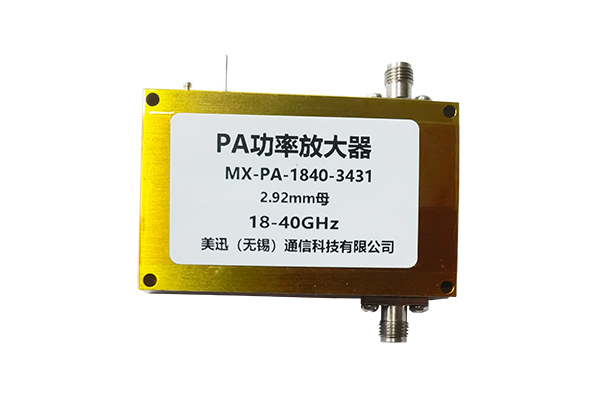
business-oriented high-efficiency isolation-enhanced pin diode selector switch for receiver chains
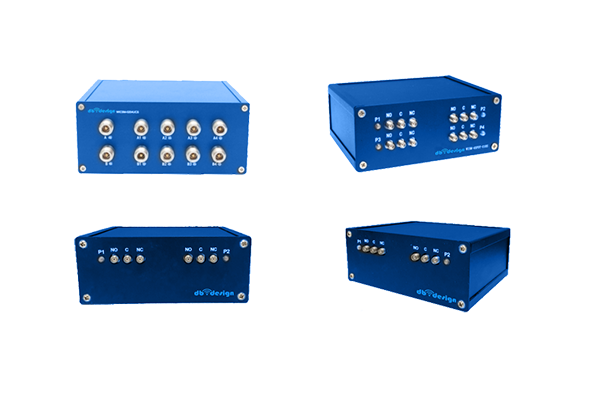
Pin diodes have become a crucial element in high-frequency systems because of their innate electrical traits Their prompt switching characteristics combined with low capacitance and small insertion loss enable efficient use in switching modulation and attenuation scenarios. The basic mechanism behind pin diode switching depends on regulating the device current via an applied bias voltage. The applied voltage modifies the depletion layer thickness at the p–n interface thus affecting conductivity. By varying the bias level PIN diodes can be reliably switched to operate at high frequencies with low distortion
PIN diodes find placement inside complex circuit frameworks when precise timing and control is required They may be applied in RF filtering arrangements to selectively pass or reject particular frequency bands. Their high-power endurance makes them appropriate for amplifier power dividing and signal generation functions. Miniaturized high-efficiency PIN diodes now find more applications in wireless and radar technologies
Evaluating Coaxial Switch Design and Functionality
Developing coaxial switches is complicated and depends on careful analysis of key parameters The operation of a coaxial switch is affected by the selected switch topology frequency band and insertion loss behavior. Effective coaxial switch layouts strive to lower insertion loss and improve port-to-port isolation
To analyze performance one must evaluate metrics such as return loss insertion loss and isolation. Metrics are assessed using simulation tools theoretical modeling and laboratory measurements. Thorough analysis is critical for confirming reliable coaxial switch performance
- Coaxial switch analysis typically employs simulation tools, analytical techniques and experimental procedures
- Switch performance may be significantly affected by thermal conditions impedance mismatches and production tolerances
- Contemporary advances and emerging developments in coaxial switch engineering seek improved metrics with smaller size and reduced power
LNA Design for Maximum Fidelity
Optimization of LNA gain efficiency and overall performance is critical to achieve excellent signal preservation This calls for deliberate active device selection bias strategies and topological design choices. Sound LNA architectures control noise contributions and support strong low-distortion amplification. Simulation based analysis is critical to understand design impacts on LNA noise performance. Achieving a reduced Noise Figure demonstrates the amplifier’s effectiveness in preserving signal amid internal noise
- Picking transistors known for minimal noise contribution is essential
- Setting proper and optimal bias parameters is necessary to suppress noise in active devices
- Circuit layout and topology have substantial impact on noise characteristics
Approaches such as matching networks noise suppression and feedback loops help improve LNA behavior
Signal Path Control Using Pin Diodes
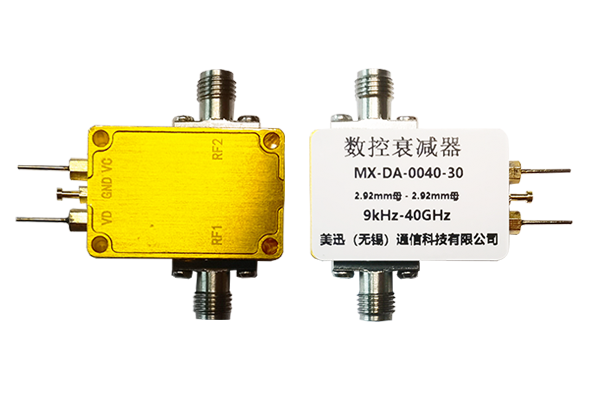
PIN diode based routing offers versatile efficient control of RF signal paths These devices switch rapidly enabling active dynamic routing of RF paths. PIN diodes’ low insertion loss and good isolation preserve signal quality through switching events. Use cases include antenna selection duplexer networks and phased array antennas
Switching depends on bias-induced resistance changes within the diode to route signals. While in the off state the diode creates a high impedance path that blocks the signal flow. When a positive control voltage is applied the diode resistance decreases reduces or falls allowing RF signals to pass
- Furthermore PIN diode switches boast speedy switching low power consumption and small size
Various PIN diode network configurations and architectural designs can achieve advanced signal routing functions. Combining multiple switch elements makes possible dynamic switching matrices enabling flexible routing
Assessing the Efficacy of Coaxial Microwave Switches
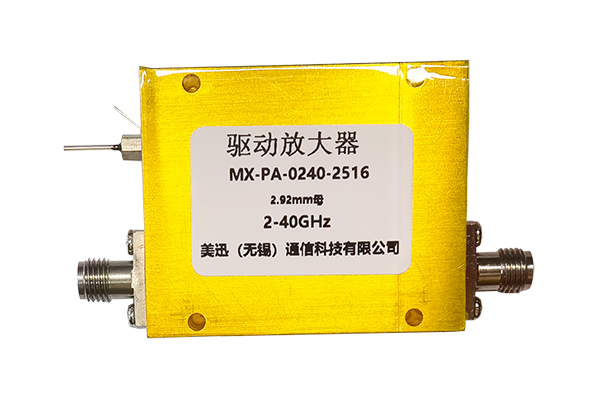
The evaluation assessment and testing of coaxial microwave switches is essential to confirm optimal operation in complex electronic systems. A range of factors like insertion reflection transmission loss isolation switching rate and bandwidth affect switch performance. An exhaustive evaluation procedure measures these parameters across varied operating environmental and test conditions
- Additionally furthermore moreover the assessment must address reliability robustness durability and tolerance to severe environments
- Ultimately findings from a thorough evaluation yield critical valuable essential insights and data for selecting designing and optimizing switches for targeted uses
Comprehensive Review on Reducing Noise in LNA Circuits
LNA circuits play a crucial role in wireless radio frequency and RF systems by boosting weak inputs and restraining internal noise. The review supplies a broad examination analysis and overview of methods to diminish noise in LNAs. We explore investigate and discuss key noise sources including thermal shot and flicker noise. We also examine noise matching feedback circuitry and optimal biasing strategies to mitigate noise contributions. It highlights recent progress including advanced semiconductor materials and novel circuit topologies that cut noise figure. By giving a clear understanding of noise reduction principles and practices this article aims to assist researchers and engineers in developing high performance RF systems
High Speed Switching Roles of PIN Diodes

They show unique remarkable and exceptional characteristics tailored for high speed switching uses Minimal capacitance and low resistance support rapid switching speeds for applications needing accurate timing. Their proportional voltage response enables controlled amplitude modulation and reliable switching behavior. This flexible adaptable versatile behavior makes PIN diodes suitable applicable and appropriate for varied high speed roles They find use in optical communications microwave circuitries and signal processing devices and equipment
Coaxial Switch Integration and IC Switching Technology
Integrated coaxial switch circuits offer advancement in signal routing processing and handling across electronic systems circuits and devices. These integrated circuits are tailored to control manage and route signals via coaxial connections with high frequency performance and low insertion latency. The miniaturized nature of IC technology produces compact efficient reliable and robust designs suitable for dense interfacing integration and connectivity demands
- Through careful meticulous and rigorous implementation of these approaches engineers can achieve LNAs with exceptional noise performance supporting sensitive reliable systems By rigorously meticulously and carefully implementing these techniques practitioners can achieve LNAs with remarkable noise performance for sensitive reliable electronics With careful meticulous and rigorous deployment of these approaches developers can accomplish LNAs with outstanding noise performance enabling trustworthy sensitive electronics By meticulously carefully pin diode switch and rigorously adopting these practices designers can deliver LNAs with excellent noise performance supporting reliable sensitive systems
- Applications range across telecommunications data communications and wireless networking
- Aerospace defense and industrial automation represent important application areas
- Application examples include consumer electronics audio video products and test measurement systems
mmWave LNA Engineering Considerations

LNA design at millimeter wave frequencies faces special challenges due to higher signal attenuation and amplified noise impacts. Parasitic capacitances and inductances become major factors at mmWave demanding careful layout and parts selection. Keeping input mismatch low and power gain high is critical essential and important in mmWave LNA designs. Selecting the right active devices including HEMTs GaAs MESFETs and InP HBTs helps secure low noise figures at mmWave. Further the design implementation and optimization of matching networks remains vital to achieve efficient power transfer and proper impedance matching. Paying attention to package parasitics is necessary since they can degrade LNA performance at mmWave. Employing low loss transmission lines and considered ground plane layouts is essential necessary and important to reduce reflections and preserve bandwidth
Modeling and Characterization of PIN Diodes for RF Use
PIN diodes are vital components elements and parts used throughout numerous RF switching applications. Precise accurate and comprehensive characterization of these devices is essential to support design development and optimization of reliable high performance circuits. That entails analyzing evaluating and examining electrical voltage and current characteristics such as resistance impedance and conductance. Also measured are frequency response bandwidth tuning abilities and switching speed latency or response time
Moreover furthermore additionally developing accurate models simulations and representations for PIN diodes is vital essential and crucial for predicting behavior in complex RF systems. Various modeling approaches such as lumped element distributed element and SPICE models are used. Choosing the proper model relies on the specific application requirements and the desired required expected accuracy
Advanced Strategies for Quiet Low Noise Amplifier Design
LNA engineering calls for careful topology and component selection to meet stringent noise performance goals. Emerging novel semiconductor developments have allowed innovative groundbreaking sophisticated design strategies that cut noise considerably.
These techniques often involve employing utilizing and implementing wideband matching networks adopting low-noise high intrinsic gain transistors and optimizing biasing schemes strategies or approaches. Moreover additionally furthermore sophisticated packaging and thermal control solutions significantly help reduce noise contributions from outside sources. By meticulously carefully and rigorously adopting these practices designers can deliver LNAs with excellent noise performance supporting reliable sensitive systems